How to Safely Maintain Your Vehicle’s Electronics and Battery During Extreme Weather
We’ve all had that heart-dropping moment. You walk out to your car, turn the key or hit the push-start button, and… nothing. Just a pathetic click and a dashboard flashing like a holiday tree.
It almost always happens on the hottest day of July or the coldest morning in January. Extreme weather is brutal on modern vehicles. Between heavy electrical loads from your AC or heater and the physical stress temperatures place on metal and rubber, your car works twice as hard when the weather goes to extremes.
The good news? You don’t need a fancy mechanic’s garage or hundreds of dollars to keep your car running reliably through seasonal swings. A few simple habits—and under $20 in basic supplies—will keep you off the side of the road.
1. Clean Off the Crust (Before It Chokes Your Battery)
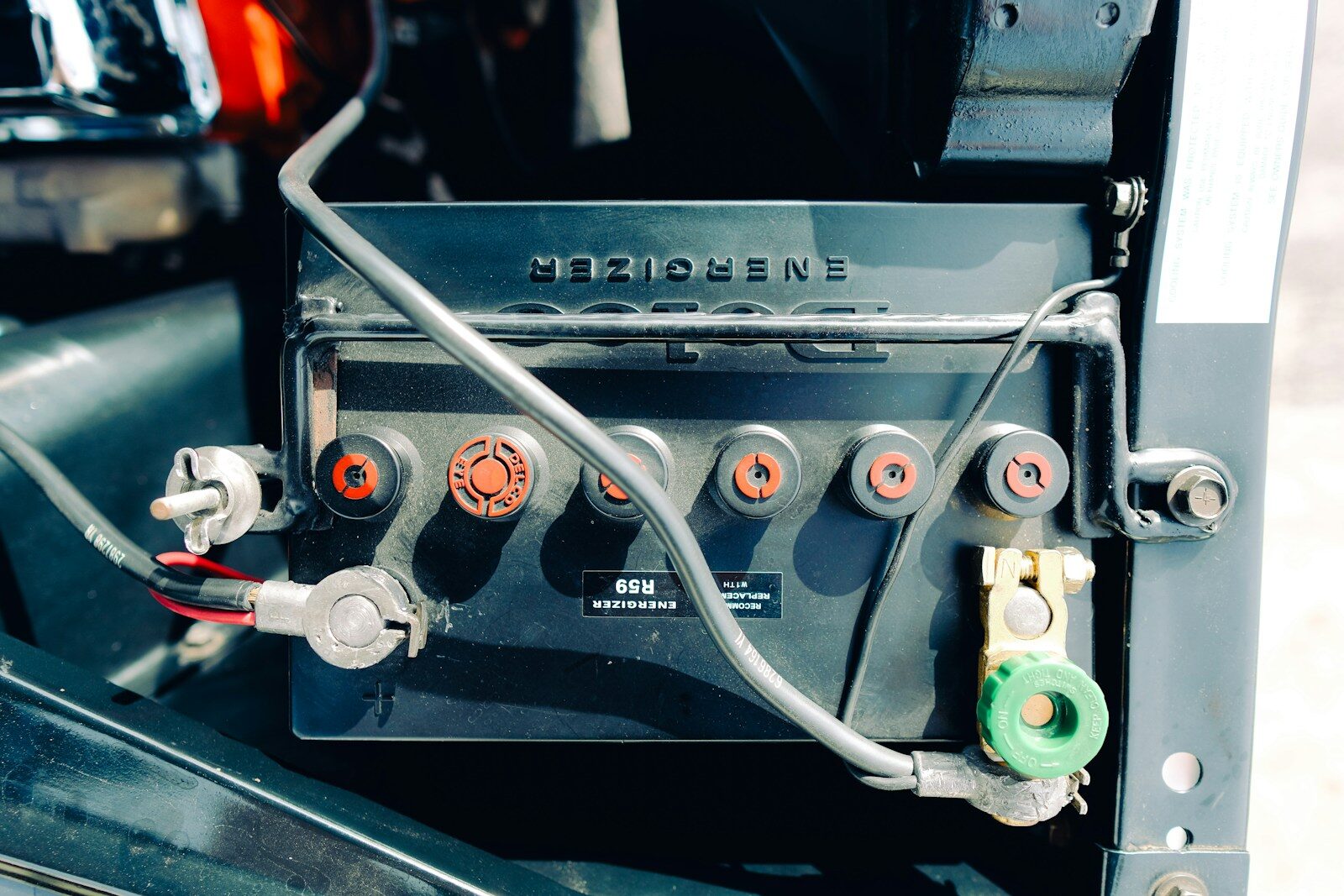
Pop your hood and look at the battery terminals—the positive and negative posts where the thick cables attach. Do you see a crusty white, blue, or greenish buildup?
That stuff is corrosion. It acts like an insulator, blocking the electrical current from traveling between your battery and your starter. In freezing cold or scorching heat, a weak connection is all it takes to leave you stranded.
Here is a quick, cheap fix:
- Mix two tablespoons of baking soda with a splash of warm water to make a paste.
- Disconnect the negative cable first, then the positive.
- Scrub the terminals with an old toothbrush or a $4 wire battery brush dipped in the paste.
- Rinse with clean water, dry thoroughly with a rag, and reattach the cables (positive first, negative second).
To keep that crust from creeping back, dab a thin layer of plain petroleum jelly (Vaseline) or spray a $5 anti-corrosion grease over the clean metal posts.
2. Protect Your Battery From Heat and Cold Drops
Cold weather gets all the blame for dead batteries because that’s when they usually fail. But here’s the plot twist: extreme heat is what actually damages them.
Summer heat bakes the liquid inside lead-acid batteries, causing water evaporation and internal damage. When winter hits, the weakened battery simply can’t generate enough amps to crank a cold engine oil pan.
To protect your electrical system:
- Check the age: Most car batteries last between 3 and 5 years. If yours is creeping past year three, drop by your local auto parts store. Most will test your battery’s cranking power for free in the parking lot.
- Keep it clean: Dust and grime sitting on top of the battery case can actually create a tiny electrical drain between the posts. Wipe the top of the case down with a damp cloth every few months.
- Park smart: Whenever possible, park in a garage or under shade during heatwaves. Keeping the engine bay out of direct sunlight makes a noticeable difference.
3. Don’t Let Temperature Drops Trick Your Tire Sensors
Have you ever woken up on the first crisp morning of autumn only to find your Tire Pressure Monitoring System (TPMS) light glowing on your dash?
Your tires aren’t necessarily punctured. For every 10-degree Fahrenheit drop in ambient temperature, your tires drop about 1 PSI (pound per square inch) of air pressure. In hot weather, the opposite happens—pressures spike, which can lead to uneven wear.
Under-inflated tires increase rolling resistance, forcing your engine and alternator to work harder while chewing through extra gas.
Buy a basic pencil pressure gauge for $3 and keep it in your glove box. Check your tire pressures first thing in the morning when the tires are cold. Adjust them to the recommended PSI listed on the sticker inside your driver-side door jamb—not the maximum pressure printed on the tire sidewall itself.
4. Unplug the Phantom Drains
Modern cars are rolling computers. Even when the engine is turned off, systems like keyless entry receivers, alarm sensors, and dash cams sit on standby, drawing tiny amounts of power.
When extreme weather is already stressing your battery, these “parasitic draws” can drain the remaining charge overnight.
If you know your car is going to sit parked for several days during a cold snap or heatwave:
- Unplug phone chargers, GPS units, and aftermarket dash cams from the 12V sockets.
- Make sure all interior dome lights are fully turned off, not left on the “door” setting if a door isn’t closed completely flush.
- Avoid running the stereo or seats heaters for long periods with the engine switched off.
Taking twenty minutes twice a year to brush off your battery posts, check your tire pressures, and clear out phantom power draws saves you from a massive headache down the line. Plus, there’s nothing quite like the feeling of watching everyone else struggle with jumper cables while your engine turns right over.
Have you ever been stranded by a sudden dead battery or a weird winter weather tire drop? What’s your go-to trick for keeping your car running smoothly? Let me know in the comments below!