
The Minimalist DIY Tool Kit Every Homeowner Actually Needs (And What to Skip)
We have all been there. You walk down the hardware aisle looking for a simple fix, and suddenly you are staring at a massive, 200-piece tool set wrapped in shiny plastic. It looks impressive. But let’s be honest: you will only ever use five of those things, and the rest will rust in your garage.
When a pipe leaks under the sink or a door frame starts rubbing, you don’t need a professional contractor’s truck. You just need a few reliable items that actually work.
If you want to solve ninety percent of common household glitches without drowning in clutter, here is the minimalist tool kit to build, and exactly what you should leave on the shelf.
The Core 10: Your Everyday Fixers
You don’t need a wall of specialized gear. Start with these essentials, invest in decent quality, and you will be set for years.
- A 12V or 20V Cordless Drill/Driver: Skip the hand screwdrivers. A compact cordless drill saves your wrists when assembling furniture or hanging heavy shelves.
- A 16-Ounce Claw Hammer: Go for a smooth-faced one with a comfortable fiberglass or steel handle. It drives nails in and pulls bad mistakes back out.
- A High-Quality Multi-Bit Screwdriver: Look for one that stores the bits right in the handle. It handles everything from loose cabinet hinges to child-proof battery compartments.
- A 6-Inch Tongue-and-Groove Pliers (Channellocks): Perfect for gripping plumbing fixtures, tightening plumbing nuts, or holding onto stubborn bolts.
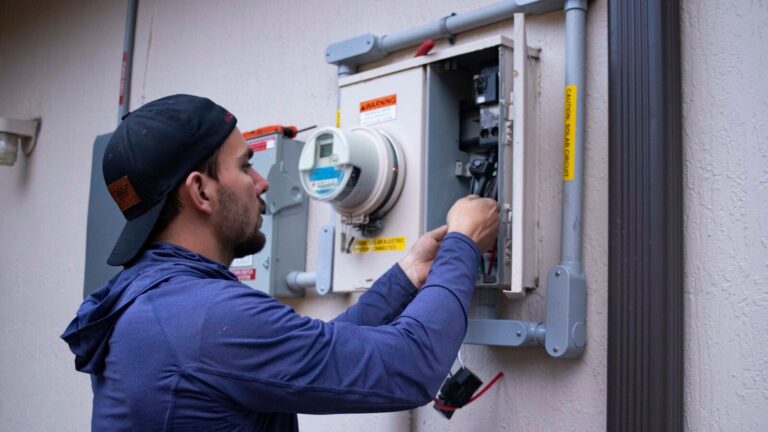
- A Non-Contact Voltage Tester: This little pen-shaped meter is a literal lifesaver. Before you change a light switch or outlet, touch this to the wires to ensure the power is truly off.
- A 16-Foot Tape Measure: A 25-foot tape is bulky and annoying for indoor projects. A locking 16-foot tape is the sweet spot for measuring windows and furniture.
- A Utility Knife with Snap-Off Blades: For opening boxes, trimming drywall, or scraping away old caulk.
- A Torpedo Level: Because guessing if a picture frame or shelf is straight never works out well.
- An Assortment Box of Drywall Anchors and Screws: Screwing directly into drywall without an anchor is a recipe for a sagging shelf. Keep a small variety pack on hand.
- A Roll of Premium Electrical Tape: Use it for minor wire insulation, labeling, or even keeping small parts together temporarily.
What to Skip (The Clutter Builders)
Hardware stores love to sell niche tools that solve exactly one problem. Avoid buying these until a specific project absolutely forces your hand.
Massive Socket Sets
Unless you are pulling an engine block out of a car on the weekend, you do not need three different sizes of ratchet wrenches and forty tiny chrome sockets. They are heavy, easy to lose, and mostly just collect dust.
Cheap Multi-Tools
Those pocket-sized plier-knife-screwdriver combos look handy on paper. In reality, they are usually clunky to hold and made of soft metal that bends the moment you apply real force. Buy dedicated tools instead.
Specialty Plumbing Wrenches
Basin wrenches and strap wrenches look high-tech, but your trusty pair of adjustable tongue-and-groove pliers can handle almost every loose pipe or drain trap beneath a household sink.
Keep It Organized
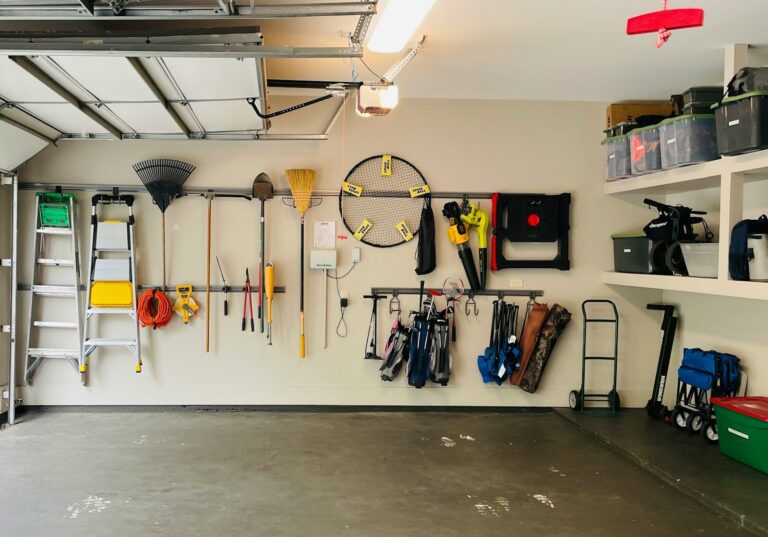
The final piece of a minimalist kit isn’t a tool at all—it’s a simple, soft-sided tool bag. Plastic toolboxes are noisy, scratch your floors, and force you to stack things blindly. A small canvas bag keeps your core gear visible, portable, and ready to grab at a moment’s notice.
What is the one tool in your house that you find yourself reaching for constantly, or did I miss something you consider an absolute requirement? Let me know in the comments below.