Unlock Hidden Savings: Home Energy Audit Services Will Transform Your Bills
Imagine opening your mailbox each month to find a utility bill that no longer sends a shiver down your spine. What if, instead of cringing at the cost, you could smile knowing you’ve maximized your home’s efficiency and minimized expenses? Enter the world of home energy audit services—a transformative step towards uncovering hidden savings within your own four walls. As energy costs continue to rise, more homeowners are discovering the incredible benefits of understanding and optimizing their energy usage.
The magic of a home energy audit lies in its ability to pinpoint those sneaky energy wastages that often go unnoticed. From under-insulated attics to outdated heating systems, these audits provide a roadmap to a more efficient and cost-effective home. With professionals armed with cutting-edge tools, this process delves deep, illuminating opportunities for savings and sustainability. You’ll not only witness a reduction in your energy bills but also contribute to a greener planet—truly a win-win scenario.
Importance of Home Energy Audits
Conducting a home energy audit represents a proactive approach to understanding how your household consumes electricity, gas, and water. In today’s era of fluctuating utility prices and growing environmental concerns, gaining insight into your home’s efficiency is more critical than ever. Home energy audit services bring professional expertise and specialized equipment to the table, helping you identify inefficiencies that might be costing you hundreds of dollars each year. By uncovering hidden drafts, poorly sealed windows, or outdated insulation, these audits lay the foundation for targeted improvements that boost comfort and reduce waste.
Beyond immediate financial savings, energy audits also play a pivotal role in environmental stewardship. Every kilowatt-hour saved through better insulation or more efficient appliances translates into lower carbon emissions and reduced demand on power plants. For homeowners looking to increase property value, demonstrating a commitment to sustainability can be a powerful selling point. In essence, a home energy audit is an investment in both your wallet and the planet’s health, providing quantifiable data that guides smart upgrades and long-term savings.
How Home Energy Audits Work
A typical home energy audit begins with a comprehensive assessment of your property’s thermal envelope—walls, ceilings, windows, and doors. A trained auditor will examine visible areas for gaps or cracks in insulation, and they may use specialized equipment such as blower door tests and infrared cameras to detect hidden air leaks. The process also includes a review of your utility bills and questionnaires about heating and cooling habits to establish a baseline of energy consumption patterns.
Once data is collected, the auditor compiles the findings into an actionable report. Recommendations often prioritize quick wins like sealing drafty areas or replacing inefficient light bulbs, while also outlining larger projects such as upgrading HVAC systems or adding insulation. Throughout the audit, open communication ensures you understand each step, the rationale behind suggested measures, and estimated cost savings. The final audit report equips you with a clear roadmap for making informed decisions that enhance comfort, cut costs, and lower your environmental footprint.
Benefits of Conducting a Home Energy Audit
One of the most immediate benefits of a home energy audit is the potential for significant cost savings. By identifying areas of energy loss—whether through air leakage, poor insulation, or outdated appliances—homeowners can prioritize upgrades that deliver the highest return on investment. Over time, lower heating and cooling bills offset the initial cost of improvements, often leading to positive cash flow within a few years.
Beyond financial gains, energy audits enhance indoor comfort and air quality. Sealing leaks and insulating walls reduce drafts and temperature fluctuations, creating a more consistent living environment. Proper ventilation recommendations can also mitigate moisture problems, mold growth, and allergens, leading to healthier indoor air. Furthermore, energy-efficient homes tend to command higher resale values, appealing to eco-conscious buyers seeking lower utility costs and sustainable living. Ultimately, home energy audit services empower homeowners to make strategic upgrades, yielding a trifecta of savings, comfort, and environmental responsibility.
Common Energy Wastages Found in Homes
Even well-maintained homes often harbor hidden sources of energy loss. One prevalent issue is air infiltration around windows, doors, and poorly sealed attic hatches. These gaps allow heated or cooled air to escape, forcing HVAC systems to work harder and consume more energy. Similarly, inadequate insulation in attics, walls, and crawl spaces can lead to significant thermal transfer, particularly in regions with extreme seasonal temperatures.
Another frequent culprit is outdated or inefficient appliances. Older refrigerators, water heaters, and HVAC units often operate at lower efficiency ratings compared to modern ENERGY STAR® certified models. Additionally, standby power consumption—sometimes called “phantom loads”—from electronics and chargers left plugged in can account for up to 10% of a home’s electricity usage. Identifying and addressing these common wastage points is central to the audit process, paving the way for targeted upgrades and behavioral adjustments that deliver measurable results.
Tools and Technologies Used in Home Energy Audits
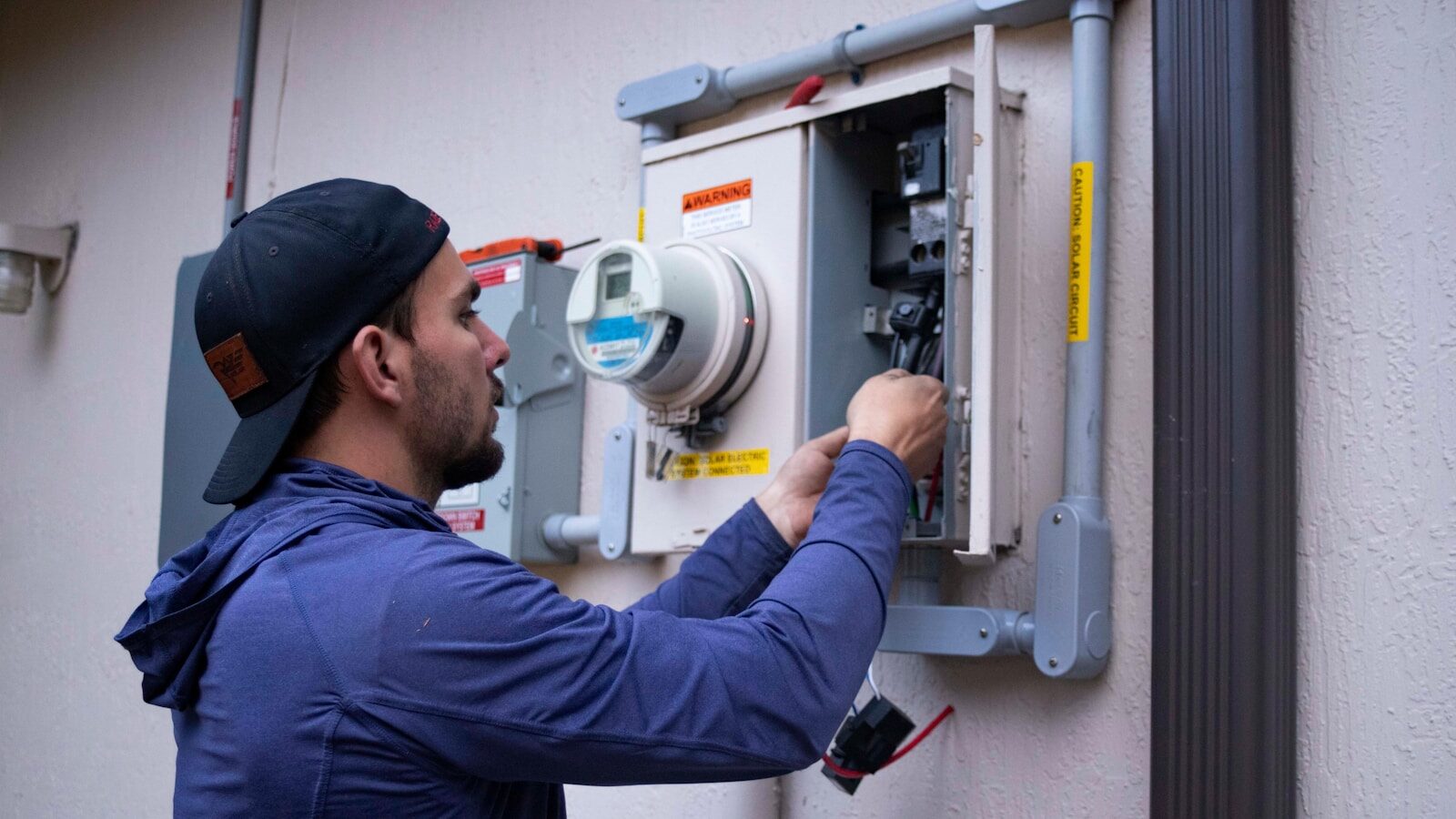
Home energy auditors rely on a suite of advanced tools and technologies to conduct thorough evaluations. A blower door test, for instance, measures the airtightness of a home by pressurizing or depressurizing the structure and quantifying the volume of air leakage. This test helps pinpoint areas in need of sealing or insulation. Infrared thermography, conducted with specialized cameras, reveals temperature differentials on surfaces, highlighting insufficient insulation, moisture intrusion, or hidden air leaks behind walls.
In addition to these diagnostic instruments, auditors may use data loggers and smart meters to track real-time energy usage patterns. These devices provide granular insights into peak demand periods, appliance-specific consumption, and overall efficiency trends. Some auditors also employ combustion analyzers to evaluate the performance and safety of gas-burning appliances, ensuring they operate within optimal parameters. By combining these technologies, home energy audit services deliver a comprehensive view of your property’s performance, enabling precise recommendations and maximized savings.
Steps to Prepare for a Home Energy Audit
Proper preparation can streamline your home energy audit and enhance its effectiveness. Begin by gathering your utility bills from the past 12 months; this historical data allows auditors to benchmark your consumption patterns and identify anomalies. Take note of any recent upgrades or changes in occupancy, as these factors can influence energy usage. You may also want to list specific concerns—such as drafty rooms, uneven heating, or high water heating costs—so auditors can focus on your priority issues.
On the day of the audit, ensure clear access to key areas: utility rooms, attic entry points, mechanical closets, windows, and exterior insulation. Remove stored items that might obstruct inspection of walls or HVAC equipment. If you have pets, secure them in a separate space to prevent interference with testing equipment. Finally, be prepared to walk through the home with the auditor, ask questions, and discuss lifestyle habits that impact energy use. By doing your homework and facilitating a smooth audit process, you’ll receive more accurate findings and targeted recommendations.
Understanding the Audit Report
Following the on-site assessment, the auditor presents a detailed report outlining findings, recommendations, and estimated savings. The report typically categorizes measures into low-cost or no-cost actions—such as sealing air leaks and adjusting thermostats—and larger capital investments, like adding insulation or upgrading HVAC systems. Financial projections accompany each recommendation, illustrating payback periods and cumulative savings over time.
To make the most of your audit report, prioritize measures that offer the highest return on investment and align with your budget. Consider phasing major projects to spread costs across multiple seasons. Many audit reports also include contractor referrals or rebate information to help offset upfront expenses. By carefully reviewing each section, you’ll gain clarity on how incremental improvements contribute to long-term savings and enhanced home performance.
Implementing Recommendations for Energy Efficiency
Once you’ve reviewed the audit report, develop an action plan to tackle recommended improvements. Start with quick, low-cost measures like weatherstripping doors, caulking windows, and installing programmable thermostats. These steps deliver immediate results and boost comfort without breaking the bank. Next, address moderate investments such as upgrading insulation in attics or sealing ductwork, which can significantly reduce heating and cooling loads.
For high-cost upgrades—like replacing an aging furnace, installing high-efficiency windows, or integrating solar panels—research financing options, rebates, and tax incentives that can lower out-of-pocket expenses. Hiring qualified contractors with experience in energy-efficient retrofits ensures quality workmanship and compliance with local codes. As you implement each recommendation, monitor energy bills to confirm that projected savings materialize, and adjust future plans based on real-world performance.
Monitoring and Maintaining Energy Savings
Achieving energy efficiency is an ongoing commitment, not a one-time event. After implementing recommendations, continue to monitor your utility bills and usage patterns. Smart thermostats and home energy management systems can provide real-time feedback on consumption, allowing you to identify spikes and adjust behaviors accordingly. Regularly review equipment performance—clean filters, inspect seals, and schedule professional maintenance for HVAC systems to sustain peak efficiency.
Seasonal checkups also help maintain savings. Before winter, inspect insulation and weatherstripping to guard against new leaks; in summer, clean and tune your air conditioning system for optimal cooling. Encourage household members to adopt energy-conscious habits—turn off lights when not in use, unplug idle electronics, and set thermostats at moderate temperatures. By staying vigilant and proactive, you’ll preserve the gains achieved through your home energy audit services and ensure lasting reductions in your energy bills.
Conclusion: Maximizing Savings and Sustainability
Home energy audit services offer a powerful pathway to uncover hidden inefficiencies, slash utility bills, and enhance overall comfort. By leveraging professional assessments, homeowners gain actionable insights that drive cost-effective upgrades and eco-friendly improvements.
From initial testing and detailed reporting to implementing targeted measures and ongoing maintenance, the audit process fosters a culture of energy mindfulness. Embracing these steps not only delivers financial rewards but also supports a greener future—proof that small changes at home can yield significant benefits for you and the planet.